Why now
The AI automation window is open - but not for long
In 2026, AI and automation are still a competitive differentiator. Most of your competitors are using ChatGPT for the odd email draft. A few are dabbling. Almost none have systematically handed their repetitive work to machines and freed their teams up for the work that matters.
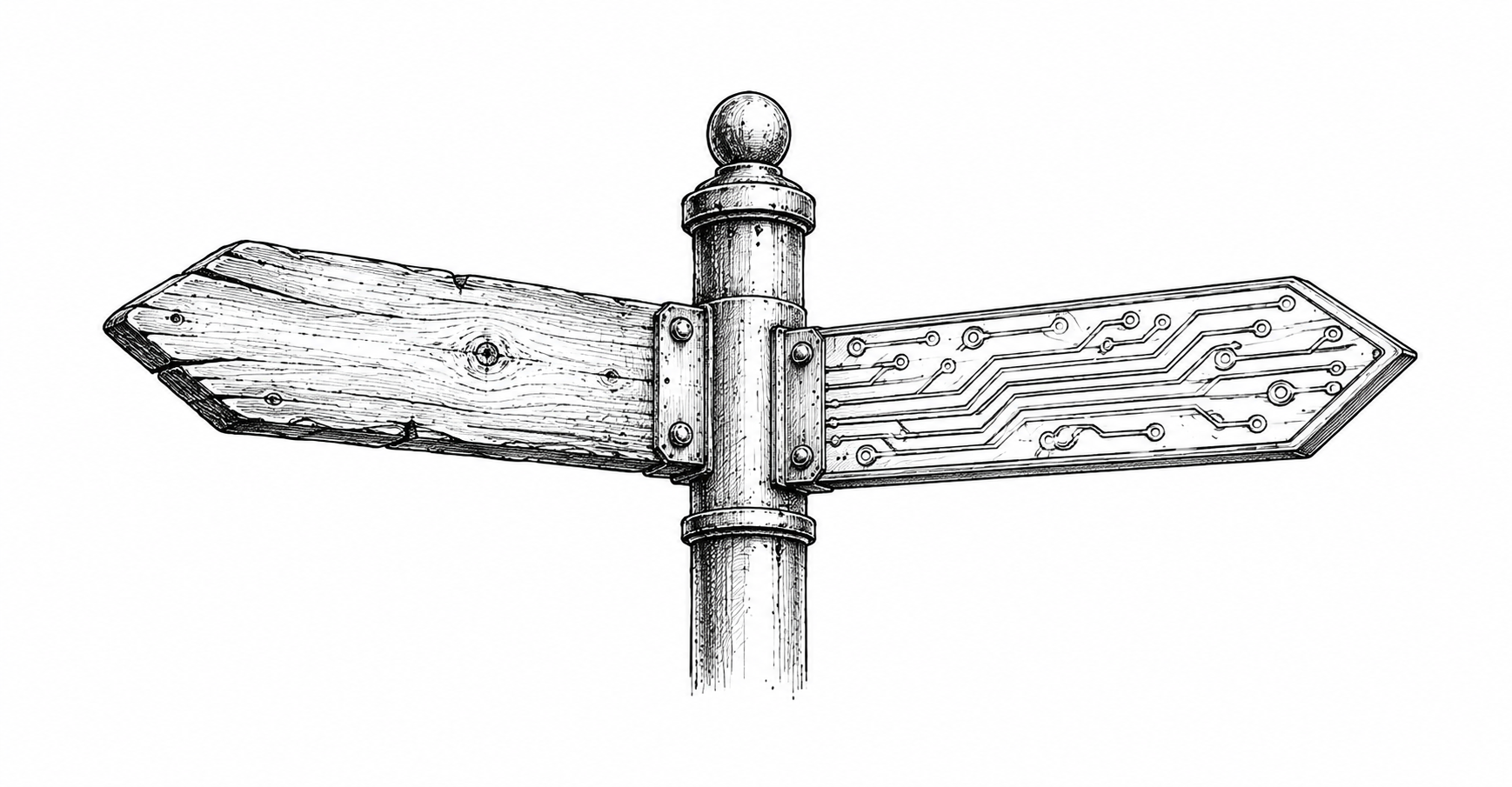
The three stages of technology adoption
Stage 1: Competitive advantage ← You are here
Early adopters hand their repetitive work to machines. They get more done with the same team, keep their best people because the work got better, and move faster than rivals still doing it by hand.
Stage 2: Table stakes 12-24 months away
Automation becomes expected. Buyers assume you have AI-powered personalisation and real-time intelligence. Not having it puts you at a disadvantage.
Stage 3: Commoditised 3-5 years away
Off-the-shelf platforms democratise access. The advantage disappears. Everyone has the same tools, the same prompts, the same workflows.
Why growing businesses win right now
Agile enough to move fast
Enterprise competitors are stuck in procurement cycles and compliance reviews. You can have something working in weeks.
Modern, low-friction stack
Your tools are likely modern enough to integrate easily. You're not ripping and replacing - just connecting the dots.
Built around you
Generic AI tools don't know your processes, your quirks, or where the real friction is. Automation built around how you actually work does.
The window is widest for complex businesses - the harder your operations are to automate, the longer your advantage lasts once you have.
What happens if you wait?
- Your competitors quietly get faster and leaner while your team stays buried in busywork
- The AI talent market gets more expensive (everyone's hiring)
- Off-the-shelf platforms arrive - and with them, the end of the differentiation window
What happens if you move now?
- You build systematic competitive advantage while it's still early
- Your team learns to work with AI (upskilling your most valuable asset)
- You collect data and refine workflows your competitors will have to start from scratch